The wood we use
Wood has been part of NORR11 from the beginning, and remains an important material across our designs today.
The majority of our wooden products are made in oak and oak veneer. Chosen for its distinctive appearance as well as its strength and density, oak allows us to create durable, high-quality products suited to the contract market. All of our wooden products are finished with a water-based lacquer to protect the wood from wear and stains.
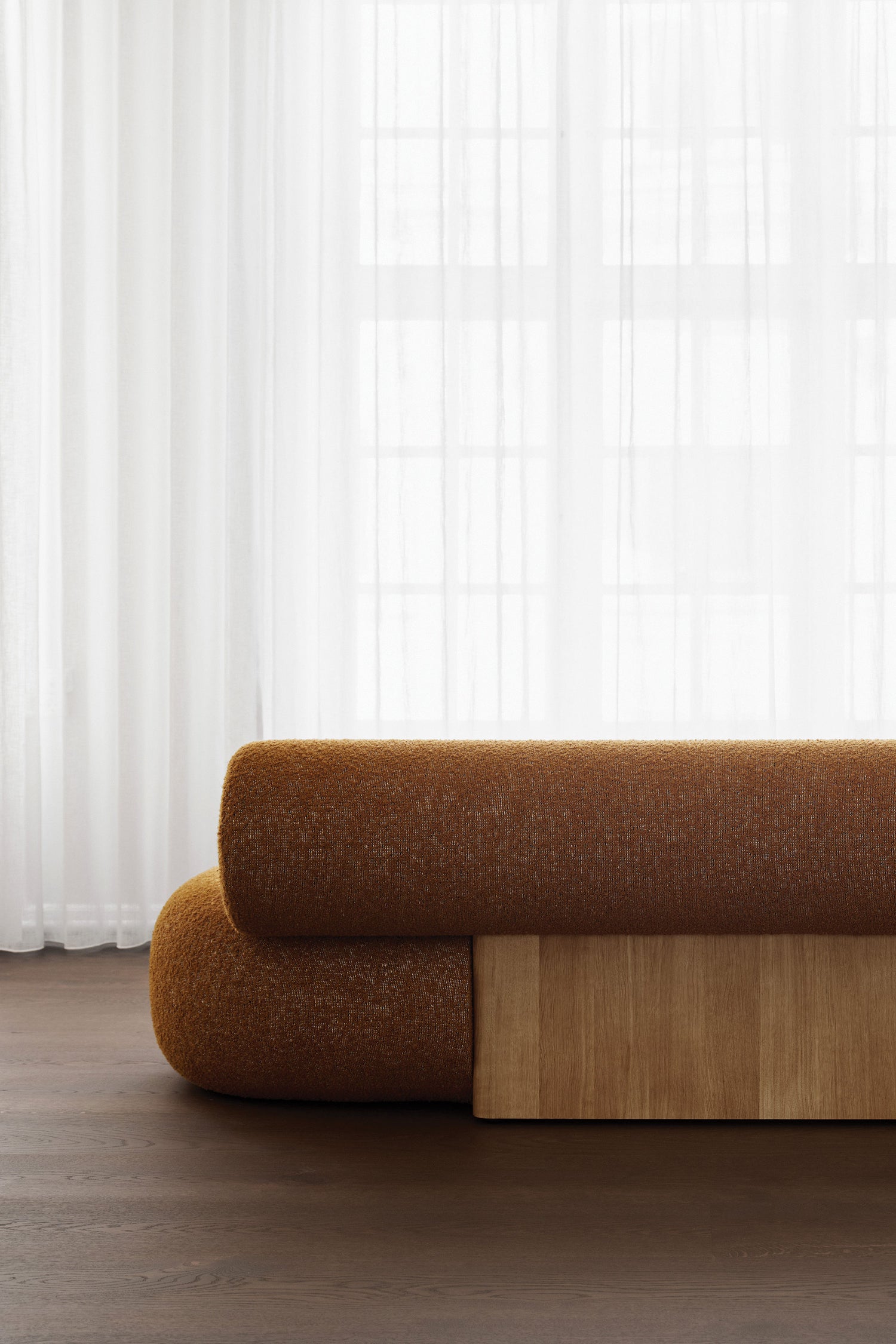
Close-up of a Hippo Sofa Wood in a orange textured fabric and natural wood back piece.
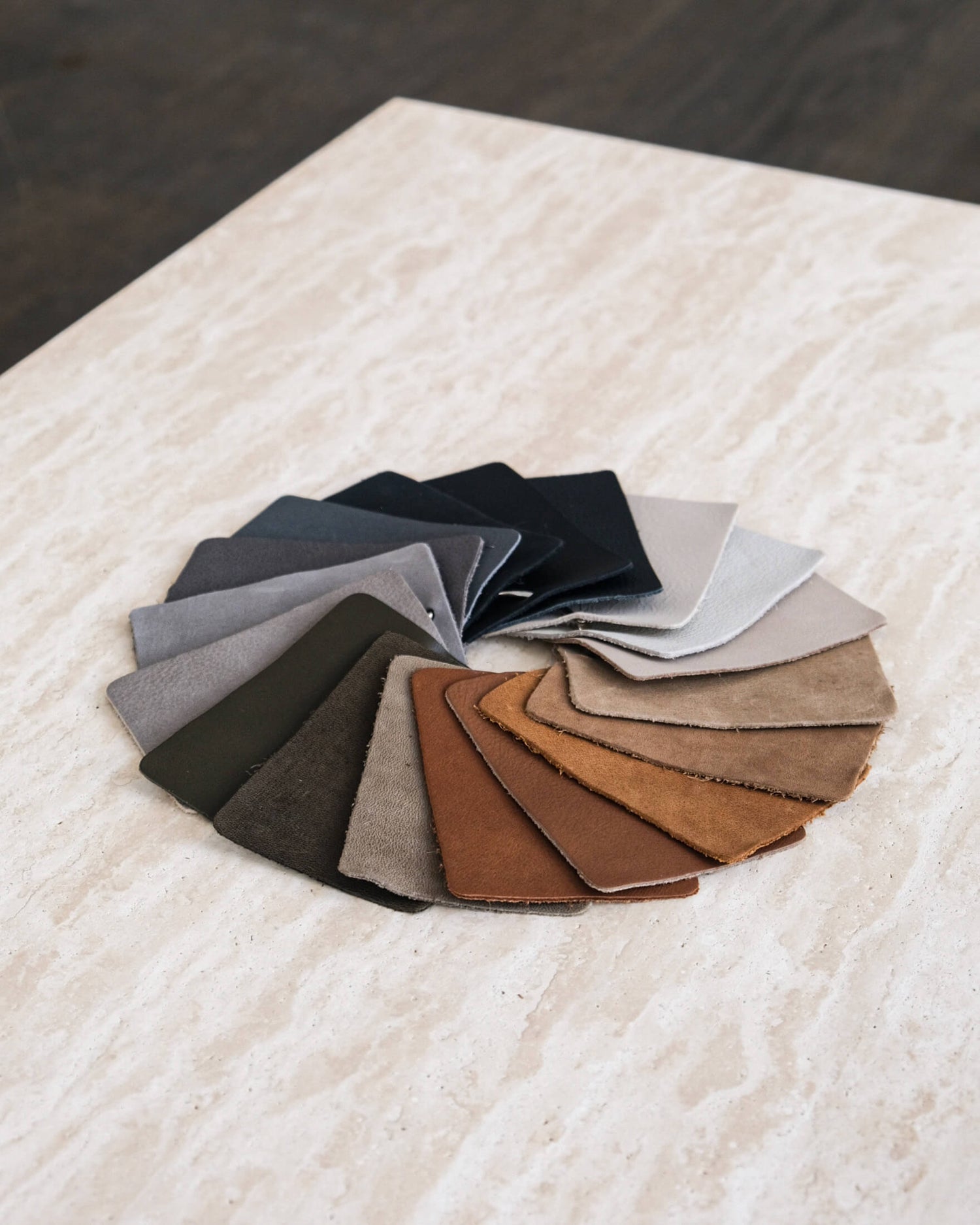
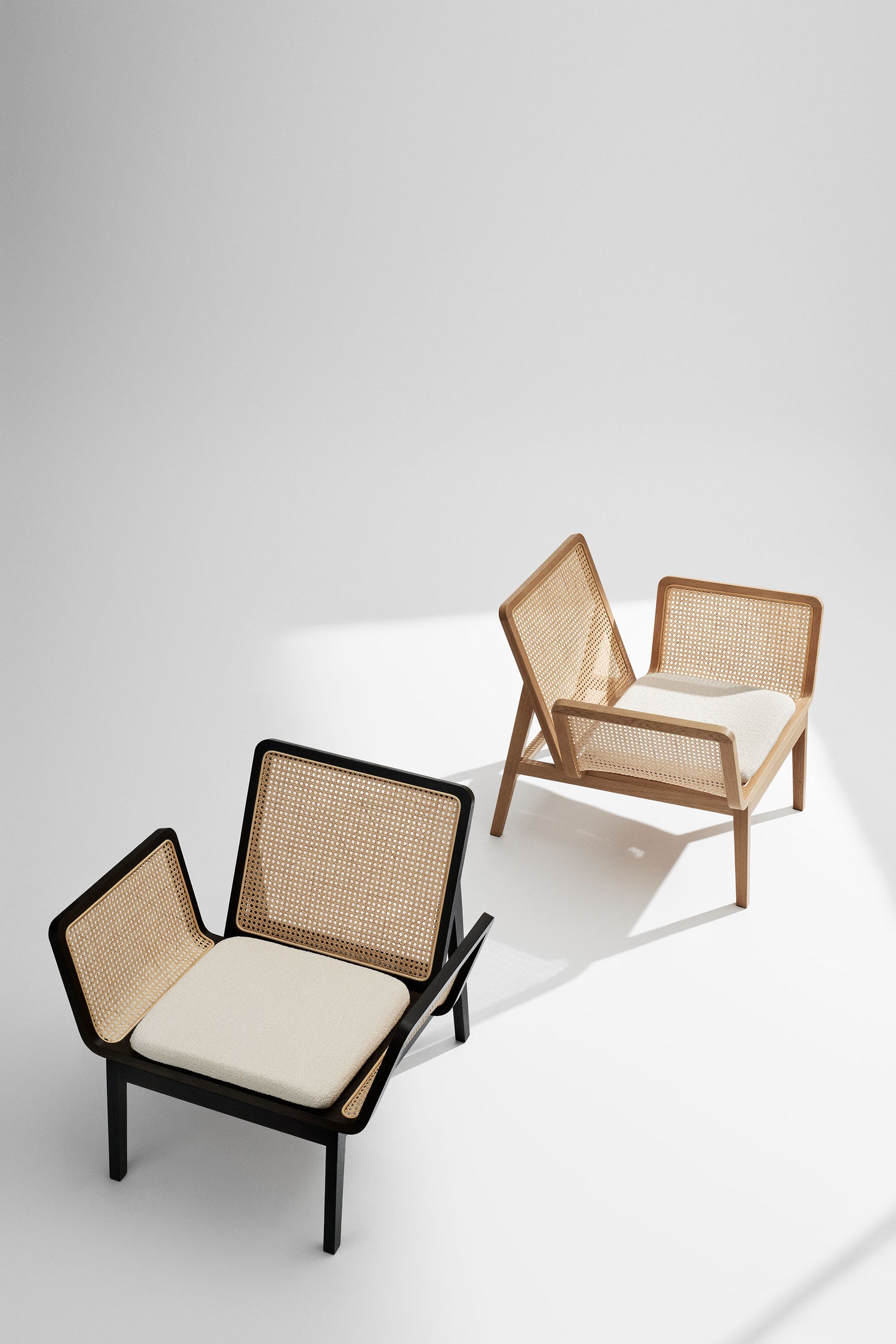
We work with oak in Natural, Light Smoked, Dark Smoked and Black. The different finishes bring out different sides of the wood, even in the Black finish, the natural grain can still be seen through the color. Other series use ash and bamboo for the frame, while rattan is used for selected seating elements.
-
-

-

-

-
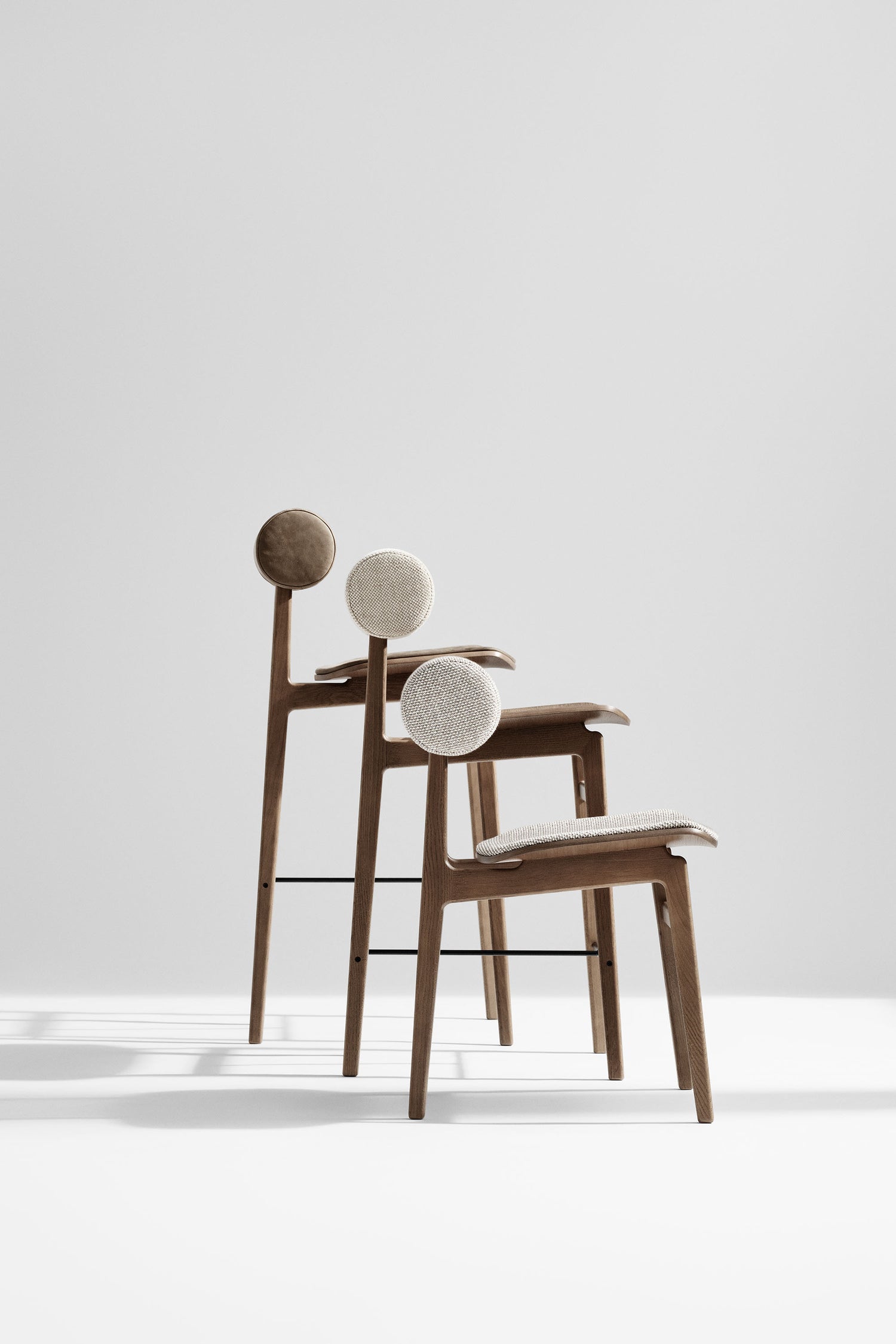
Totem Chair, Totem Counter and Totem Bar in front of each other on a light grey background.
-


Character Oak
With the introduction of the Evig Chair, we introduced what we call Character Oak.
Character Oak includes offcuts, aesthetically rejected wood, and pieces with small holes or traces left by insects that have lived in the material. The wood is processed and treated in the same way as our other oak, and the chair is made to the same high structural standards. The differences are purely visual, with the markings and variations left visible in the finished chair.
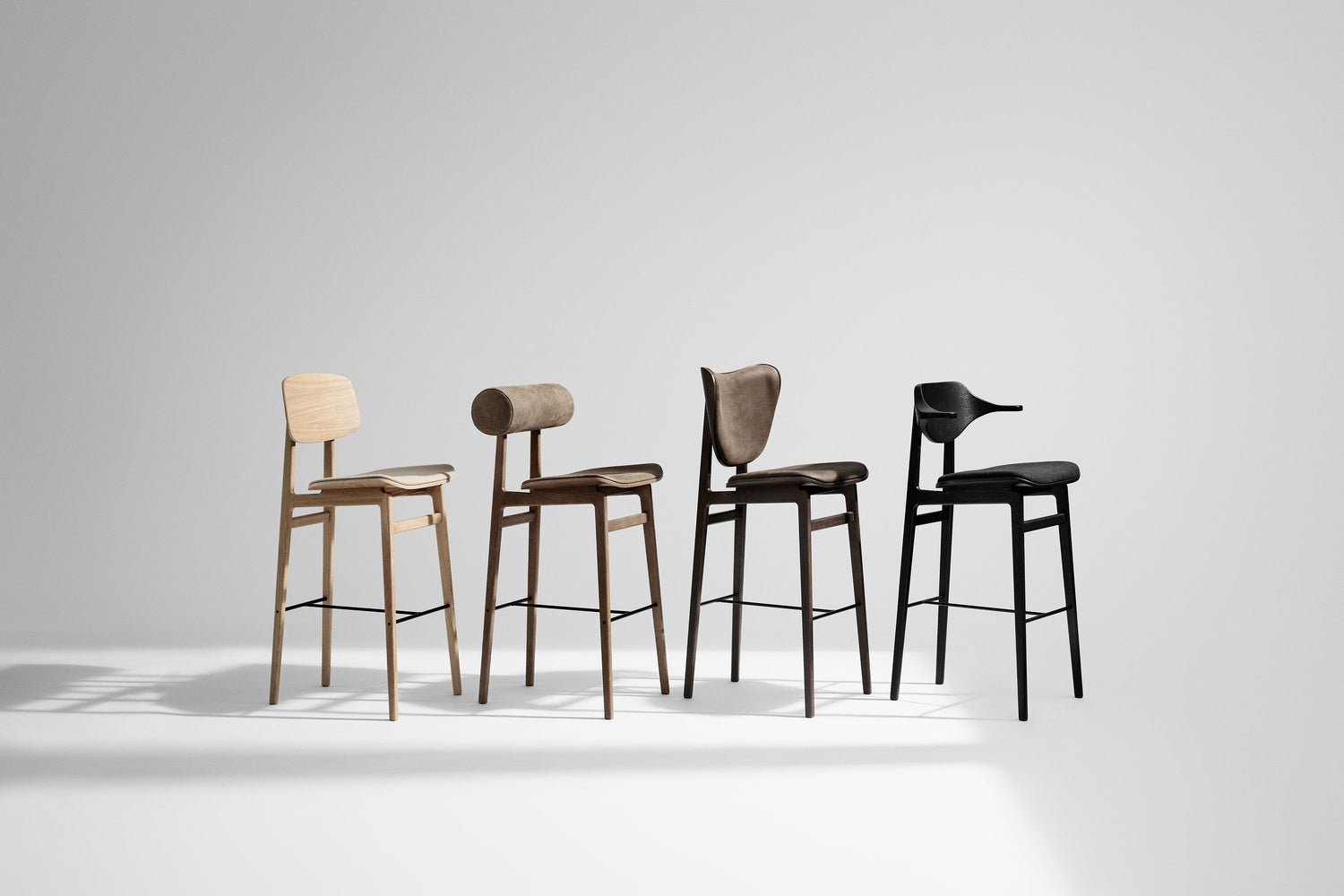
Four bar stools with different backrest designs on a white background
Our wooden dining furniture, including our Chameleon series, is produced by KVIST, renowned for their high-quality wood furniture. KVIST holds ISO 45001 and ISO 9001 certifications, covering occupational health and safety and quality management. Wood waste from the production is turned into briquettes for heating, while selected pieces are also used as Character Oak for our Evig Chair.
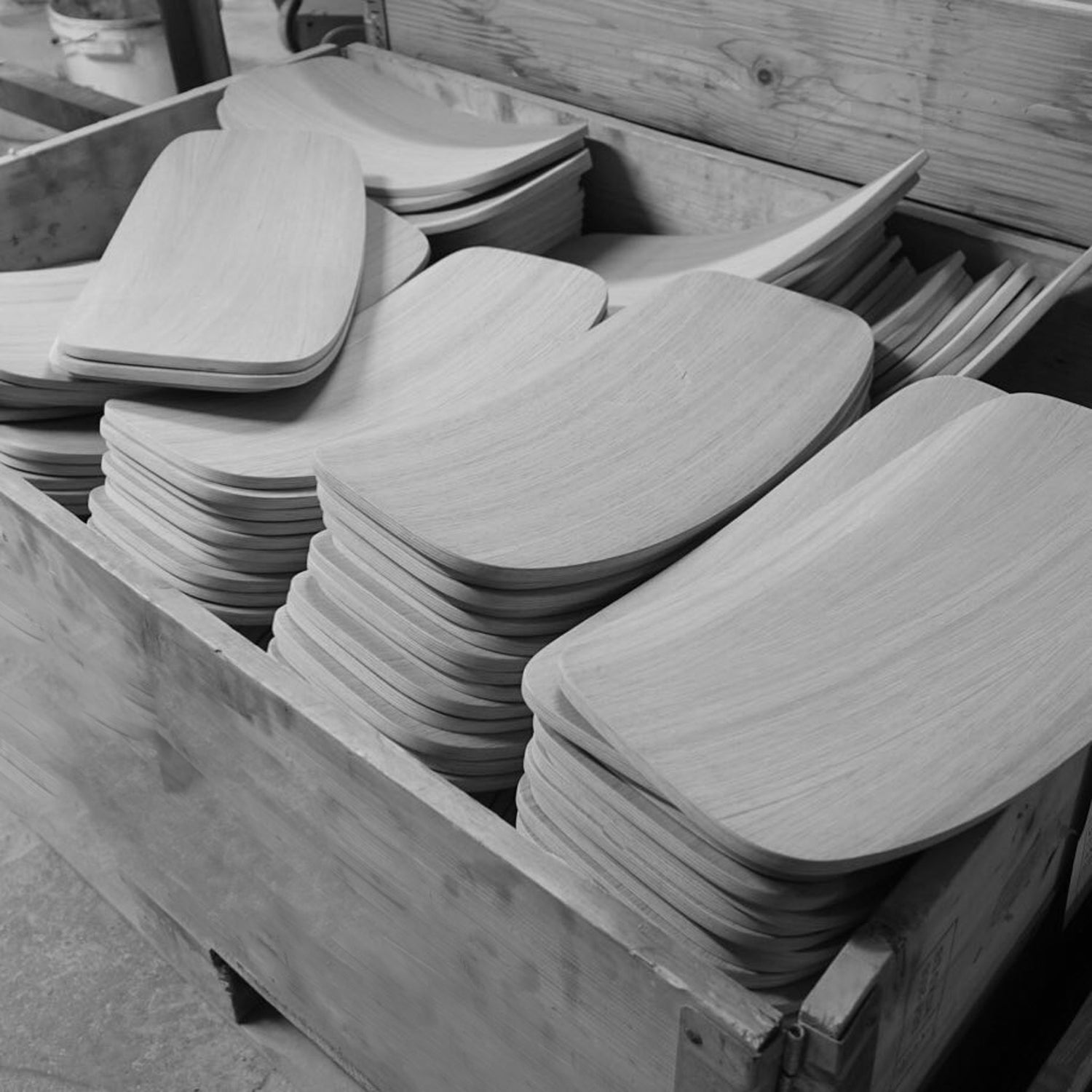
At NORR11, materials have always been an important part of how we approach our designs. We spend considerable time exploring how to bring tactility, variation and character into the materials we work with. Sometimes, that means choosing natural materials that already carry a sense of life, like the grain and imperfections of wood.
You can read more about the Evig Chair and the thinking behind its design in A Chameleon of a Chair.